
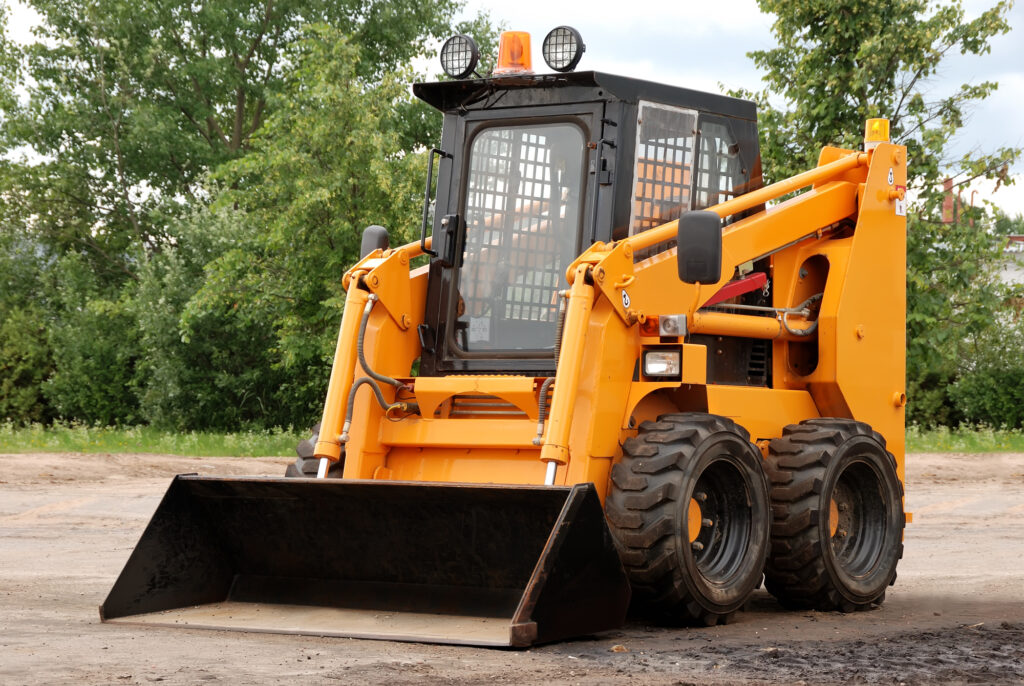
Chapter 1: Understanding Your Skid Steer
In the ever-evolving world of construction, landscaping, and farming, the skid steer loader is a stalwart companion renowned for its compact size and agile maneuverability. But the machine can interchange various attachments that genuinely make it stand out. Before we delve into the myriad of attachments available, let’s establish a strong understanding of the skid steer and the factors determining its compatibility with these attachments.
1.1 The Anatomy of a Skid Steer
At its most basic, a skid steer loader comprises a frame with lift arms that can accommodate various attachments. It’s powered by an engine that drives the hydraulic system. The wheels are synchronized on each side, and the skid steer turns by skidding or dragging its fixed-orientation wheels across the ground, a mechanism that gives the machine its name.
1.2 Engine Power and Hydraulic Flow
The engine is the most crucial part of a skid steer because it gives the machine its power. This power is measured in horsepower (HP). The more horsepower, the more work the machine can do. However, both the engine’s power and the speed of the hydraulic system (measured in gallons per minute, or GPM) decide what tools a skid steer can use. Larger skid steers usually have high-speed hydraulic systems for heavy-duty tools like trenchers or mulchers.
1.3 Lift Types and Capacities
Skid steers typically come in two lift types: radial and vertical. Radial lift arms have a natural arc path, perfect for digging, prying, and pushing tasks. In contrast, vertical lift arms ascend in a nearly straight upward path, ideal for lift-and-carry jobs, especially at height.
The lift capacity of a skid steer refers to the maximum weight the lift arms can handle. Choosing attachments your skid steer’s lift capacity can accommodate is crucial to prevent strain on the machine.
1.4 Size and Weight Considerations
The weight and size of your skid steer affect its stability, lift capacity, and the ease with which it can navigate certain terrains or fit into tight spaces. More significantly, heavier machines may offer greater lift capacities and can handle larger attachments, but compact models provide better maneuverability and access to confined spaces.
1.5 Understanding the Universal Skid Steer Quick Attach System
Most skid steers feature a Universal Skid Steer Quick Attach system, making it easy to switch out attachments. This front plate system allows for a non-proprietary connection, which means most brands’ skid steer loaders can interface with attachments from various manufacturers.
Fully understanding your skid steer’s capabilities is a prerequisite to utilizing its full potential. The horsepower, hydraulic flow, lift type, capacity, size, weight, and Quick Attach system all play integral roles in determining which attachments your skid steer can accommodate. In the upcoming sections, we’ll dive into a wide range of attachments and what they do, helping you make the best choice for boosting what your skid steer can do.